Guide
Best Wedding Photographers: How to Find and Book One in 2026
By Sophie Williams, Wedding Planning Expert · Updated 2026-03-23
This article contains affiliate links. If you make a purchase through our links, we may earn a small commission at no extra cost to you. Read our full affiliate disclosure for details.
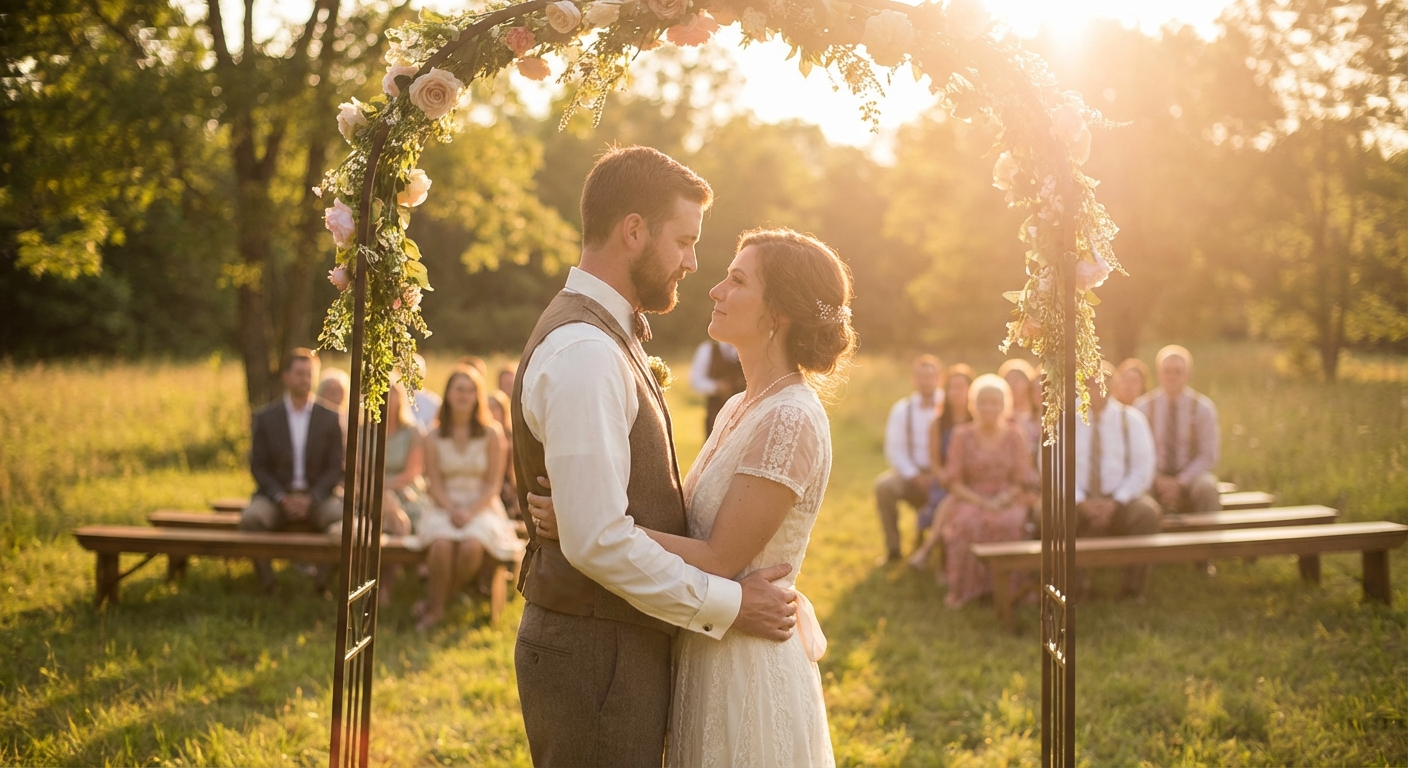
Your wedding photos are the single most enduring keepsake from your big day — long after the cake is eaten and the flowers have wilted, your photographs tell the story of how it all felt. Finding the right wedding photographer means understanding your style, setting a realistic budget, asking the right questions, and booking early enough to secure your preferred professional.
Wedding photography is consistently ranked as one of the top three priorities for couples, and for good reason. According to The Knot's 2025 Real Weddings Study, the average couple spends approximately $3,100 on photography — making it the third-largest vendor expense after venue and catering. Yet many couples feel overwhelmed by the sheer number of photographers and platforms available, unsure of how to evaluate portfolios, compare packages, or negotiate contracts.
This guide walks you through every step of the process, from identifying your preferred photography style to signing a contract and preparing a shot list. Whether you are planning an intimate elopement or a 300-guest celebration, you will find actionable advice backed by industry data and real-world experience.
Table of Contents
- Understanding Wedding Photography Styles
- How Much Does a Wedding Photographer Cost?
- Where to Find the Best Wedding Photographers
- Top Platforms and Resources for Booking Wedding Photographers
- Essential Questions to Ask Before Booking
- How to Evaluate a Wedding Photography Portfolio
- Understanding Wedding Photography Contracts
- Timeline and Shot List Planning
- Engagement Sessions and Pre-Wedding Shoots
- Frequently Asked Questions
- Sources
Understanding Wedding Photography Styles
Before you start browsing portfolios, it is essential to understand the major photography styles so you can communicate your vision clearly to potential photographers.
Photojournalistic (Documentary)
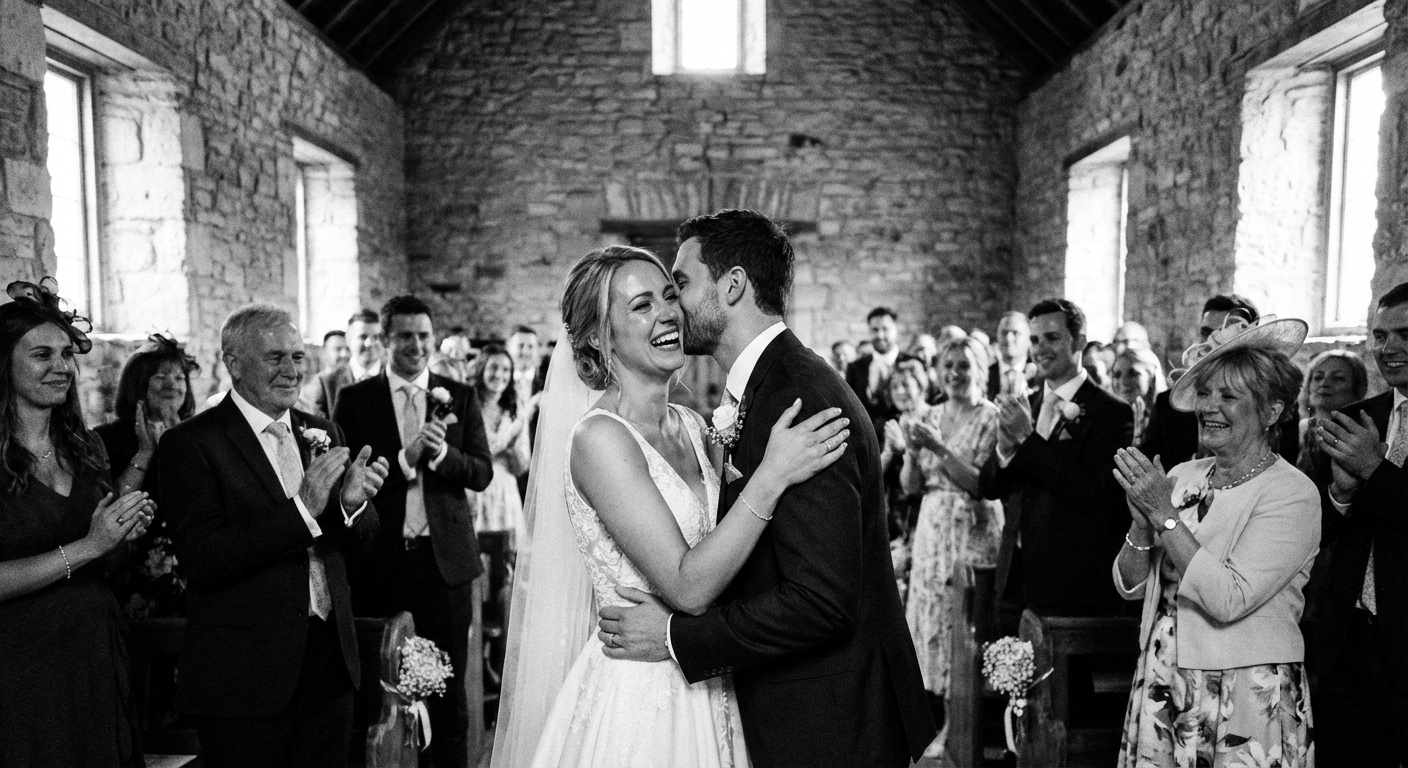
Photojournalistic wedding photography prioritizes candid, unscripted moments. The photographer operates like a fly on the wall, capturing genuine emotions — the tear rolling down your father's cheek during the first look, your best friend's laugh during the toast, the spontaneous dance floor moments that make your wedding uniquely yours.
This style works beautifully for couples who feel awkward posing and want their photos to feel natural and authentic. Photojournalistic photographers typically shoot more frames and deliver larger galleries, giving you a comprehensive narrative of the day.
Traditional (Classic)
Traditional wedding photography focuses on posed, carefully composed images. Think of the classic family formals, the symmetrical bridal party lineup, and the carefully lit bride-and-groom portraits. This style ensures you have timeless, polished images that look stunning in albums and on walls.
If having structured family portraits and formal group shots is a high priority, look for photographers who specialize in or incorporate traditional techniques. Many couples from cultures with specific family portrait traditions prefer this approach.
Fine Art
Fine art wedding photographers treat each image as a work of art, emphasizing composition, light, and mood. This style often features film-inspired editing, soft tones, and an editorial feel reminiscent of magazine spreads. Fine art photographers tend to be more directive, guiding you into poses and selecting specific backgrounds for maximum visual impact.
This style typically comes at a premium price point, as these photographers invest significantly in their artistic development and often shoot with a combination of digital and medium-format film cameras.
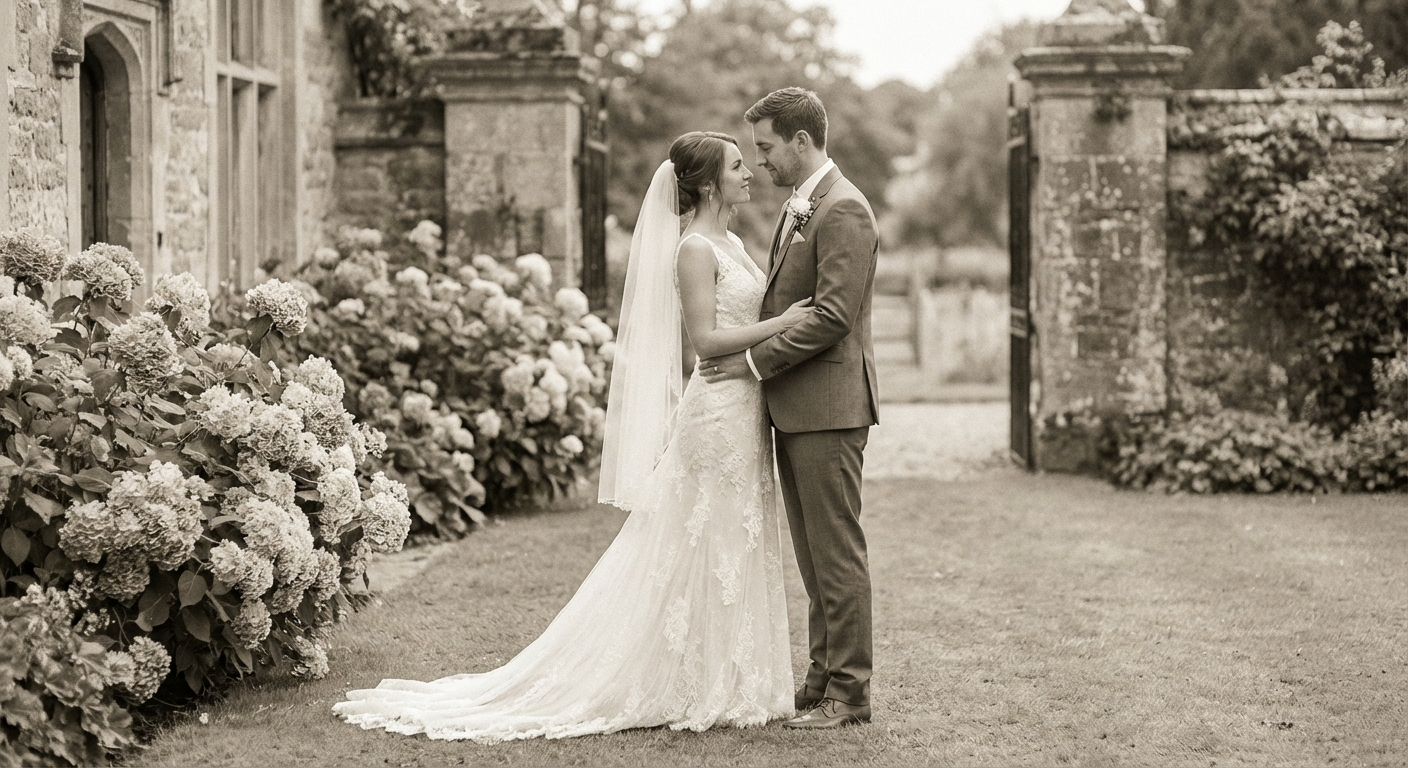
Dark and Moody
Growing in popularity through 2025 and into 2026, the dark and moody style features rich shadows, deep contrast, and warm tones. This aesthetic works particularly well for fall and winter weddings, industrial venues, and couples drawn to dramatic, cinematic imagery.
Light and Airy
The opposite end of the spectrum from dark and moody, light and airy photography emphasizes bright, soft images with pastel tones and minimal shadows. This style pairs naturally with outdoor garden weddings, beach ceremonies, and spring or summer celebrations.
Blended (Modern)
Most contemporary wedding photographers describe their style as a blend — primarily photojournalistic with traditional portraits woven in. This is the most popular approach in 2026 because it gives couples the best of both worlds: authentic candid coverage alongside polished portraits they can frame and display.
When reviewing portfolios, ask yourself: Does this photographer's work make me feel something? The emotional response you have to a portfolio is often the best indicator of fit.
How Much Does a Wedding Photographer Cost?
Understanding pricing is critical for setting realistic expectations. Photography budgets vary dramatically based on geography, experience level, and deliverables.
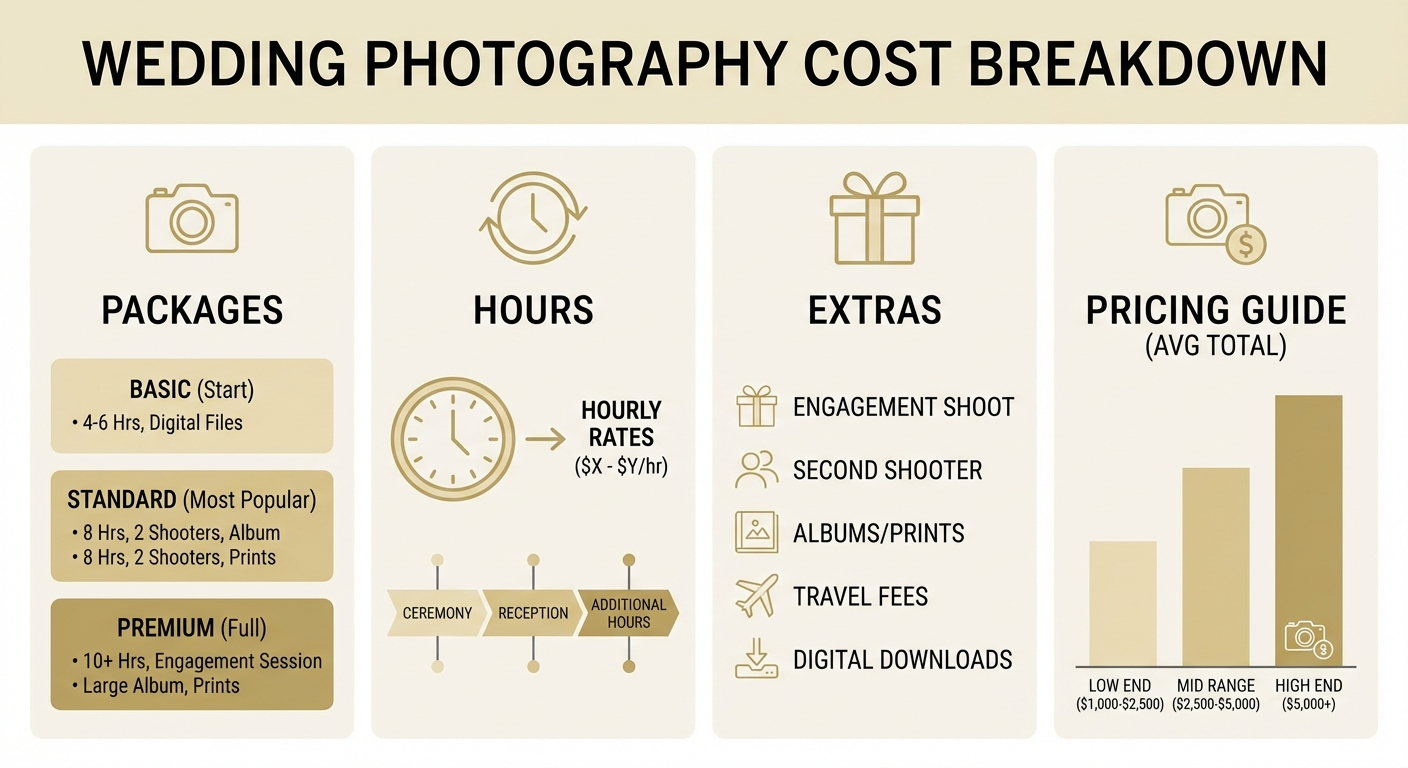
Average Costs by Experience Level
- Emerging photographers (1–2 years experience): $1,000–$2,000
- Mid-range professionals (3–5 years experience): $2,500–$5,000
- Established professionals (5–10 years experience): $5,000–$8,000
- Elite/destination photographers (10+ years experience): $8,000–$15,000+
What Affects Pricing
Several factors drive the cost of wedding photography beyond the photographer's skill level:
- Hours of coverage: Most packages include 6–10 hours. Additional hours typically cost $200–$500 each.
- Location: Photographers in New York City, Los Angeles, and San Francisco charge 30–50% more than national averages. Rural markets tend to be more affordable.
- Season and day of week: Peak season (May–October) Saturday weddings command top dollar. Friday or Sunday weddings often qualify for off-peak discounts of 10–20%.
- Deliverables: Packages including albums, prints, or same-day edits cost more than digital-only delivery.
- Second photographer: Adding a second shooter adds $500–$1,500 to your package.
- Travel fees: Destination weddings typically include travel costs, accommodation, and sometimes a travel day fee.
How to Budget for Photography
Industry experts recommend allocating 10–15% of your total wedding budget to photography. For a $30,000 wedding, that translates to $3,000–$4,500. If photography is a top priority, consider adjusting other budget categories to accommodate.
Tracking your overall wedding expenses with a detailed spreadsheet makes it easier to see where you can reallocate funds toward photography. For couples watching every dollar, understanding budgeting for wedding photography costs can help you make informed trade-offs without sacrificing quality.
If you are planning a wedding in Australia, photography costs follow a similar pattern — check our breakdown of average wedding costs in Australia for 2026 for region-specific data.
Where to Find the Best Wedding Photographers
Finding your ideal photographer requires a multi-channel search strategy. Relying on a single source limits your options and can lead to a suboptimal match.
Personal Referrals
Start with your inner circle. Ask recently married friends, family members, and colleagues about their experience. Personal referrals remain the most trusted source — you can see the actual results, ask candid questions about the experience, and get an honest assessment of the photographer's professionalism.
Venue Vendor Lists
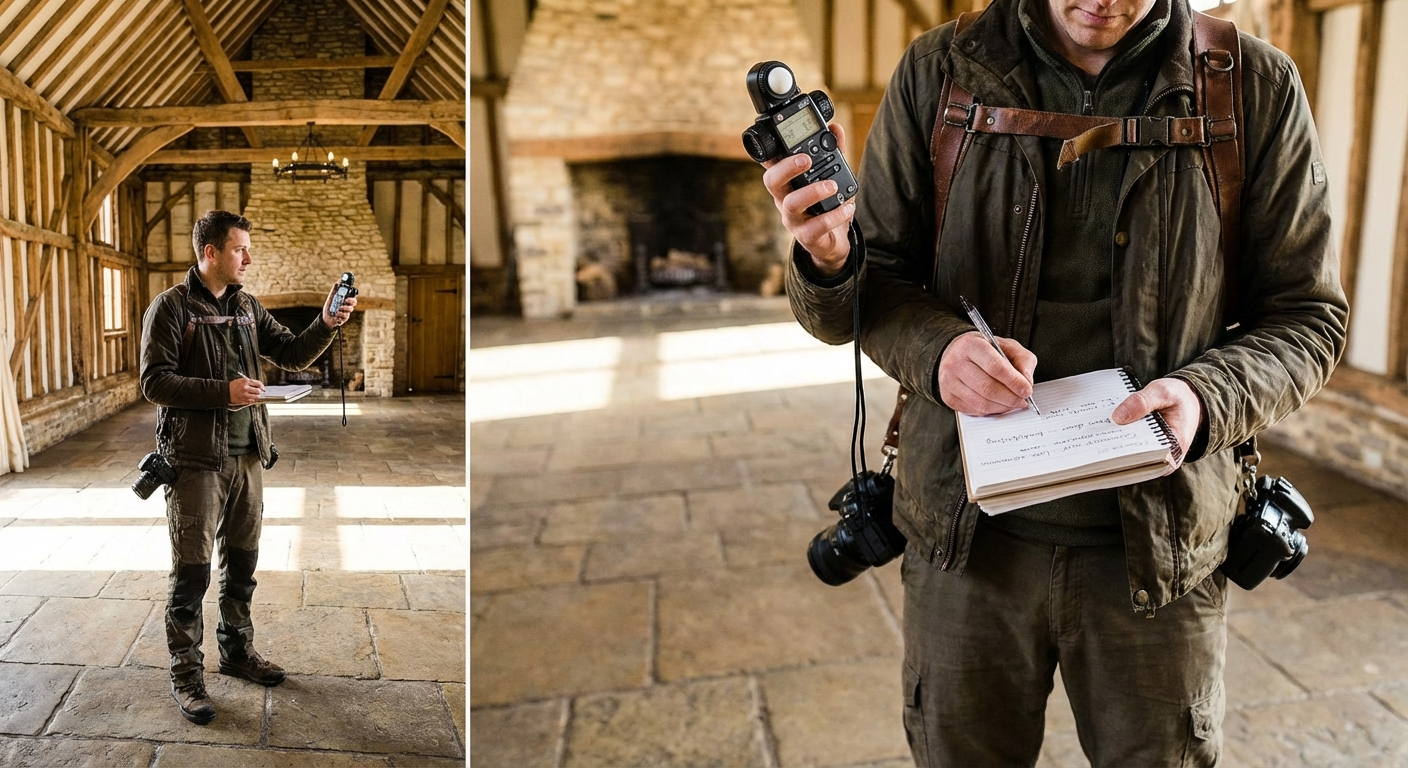
Your wedding venue likely has a preferred vendor list that includes photographers who have shot at that location before. These photographers know the best spots for portraits, understand the lighting at different times of day, and can navigate the venue layout efficiently. While you should not limit your search to this list, it is an excellent starting point.
Social Media
Instagram remains the dominant discovery platform for wedding photographers. Search location-specific hashtags like #NYCWeddingPhotographer, #ChicagoWeddingPhotography, or #[YourCity]WeddingPhotographer. Pay attention to photographers whose feed resonates with your aesthetic, but always request to see full galleries — Instagram highlights are curated and may not represent the full scope of their work.
Pinterest is also valuable for identifying styles you love. Pin images that speak to you, then reverse-image search or check the credits to find the photographer.
TikTok has emerged as a growing platform for wedding photographers to share behind-the-scenes content, gear breakdowns, and editing tutorials. While you would not book based on TikTok alone, it can be a great way to discover new talent and see how they work in real time.
Wedding Planning Apps
Dedicated wedding planning platforms like The Knot, WeddingWire, and Zola offer extensive photographer directories with reviews, pricing information, and portfolio galleries. These platforms let you filter by location, style, price range, and availability.
For a comprehensive look at digital planning tools, see our guide to the best wedding planning apps for 2026, which covers platforms with built-in vendor search and booking features.
Photography Associations
Professional organizations like WPPI (Wedding and Portrait Photographers International) and PPA (Professional Photographers of America) maintain searchable directories of members. Membership in these organizations suggests a photographer's commitment to professional development, although excellent photographers exist outside these networks as well.
Top Platforms and Resources for Booking Wedding Photographers
Whether you are researching photographers online, learning what to look for in a portfolio, or want to improve your own understanding of wedding photography, these platforms and resources are invaluable.
The Knot Vendor Marketplace
Type: Online directory and booking platform
The Knot's photographer directory is one of the largest in the industry, with over 200,000 wedding vendors listed. Filter by location, style, price range, and availability. Read verified reviews from real couples and request quotes directly through the platform. The Knot also offers a Best of Weddings award program that recognizes top-rated vendors.
Best for: Couples wanting verified reviews and a large selection of local photographers
🔗 Visit The Knot{:target="_blank" rel="noopener"}
Zola Wedding Vendor Search
Type: Integrated planning and vendor platform
Zola combines wedding planning tools with a robust vendor marketplace. Their photographer search includes detailed profiles, pricing transparency, and the ability to manage your entire wedding planning process — from registry to vendor booking — in one place. Their matching algorithm helps surface photographers aligned with your stated preferences.
Best for: Couples already using Zola for other wedding planning needs
🔗 Visit Zola{:target="_blank" rel="noopener"}
Junebug Weddings
Type: Curated photographer directory and inspiration
Junebug Weddings is known for its curated approach — not every photographer can list on the platform. Their annual Best of the Best contest showcases extraordinary wedding photography from around the world. Browsing their real wedding features is one of the best ways to discover talented photographers working in specific styles or locations.
Best for: Couples seeking curated, high-quality photographer recommendations and editorial inspiration
🔗 Visit Junebug Weddings{:target="_blank" rel="noopener"}
"The Art of Wedding Photography" by Jerry Ghionis
Type: Photography reference book
Written by one of the most awarded wedding photographers in the world, this book provides stunning visual examples and insight into what separates great wedding photography from average work. Reading it helps couples understand composition, lighting, and storytelling — making you a more informed buyer when evaluating portfolios.
Best for: Couples who want to deeply understand what makes wedding photography exceptional
"The Wedding Photography Field Guide" by Michelle Turner
Type: Practical photography guide
This compact field guide covers every aspect of wedding photography from a professional's perspective. For couples, it offers valuable insight into what goes on behind the camera — understanding the challenges photographers face helps you communicate your needs more effectively and set realistic expectations for your wedding day.
Best for: Couples who want practical knowledge about how wedding photography works behind the scenes
"Capture the Moment: The Modern Photographer's Guide to Finding Beauty in Everyday and Family Life" by Sarah Centrella
Type: Photography mindset and technique book
While not exclusively about weddings, this book teaches the principles of capturing authentic, emotional moments — exactly what you want from your wedding photographer. Understanding these concepts helps you articulate what you are looking for during your photographer search and recognize it in portfolios.
Best for: Couples looking to understand the art of candid and emotional photography
Essential Questions to Ask Before Booking
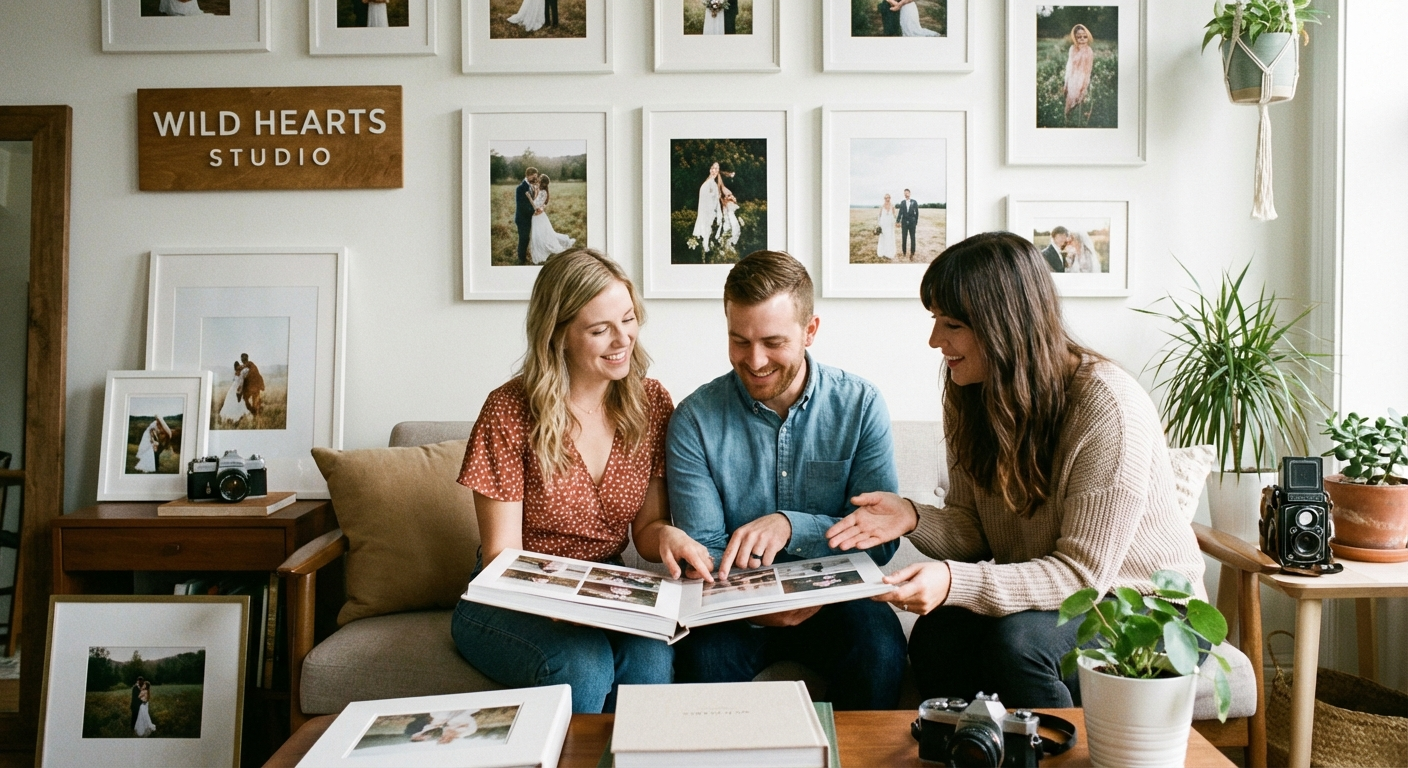
The consultation meeting — whether in person, over video call, or by phone — is your opportunity to evaluate fit. Prepare these questions in advance and take notes on each photographer's responses.
About Their Experience and Style
- How many weddings have you photographed? Look for at least 20–30 complete weddings as a lead photographer. Fewer than that is not necessarily a deal-breaker, but you should see full galleries to assess consistency.
- How would you describe your photography style? Their answer should align with what you see in their portfolio. If they say "photojournalistic" but their work is mostly posed, that is a red flag.
- Will you personally be shooting our wedding? Some studios send associate photographers. If you fell in love with a specific person's portfolio, confirm they will be behind the camera on your day.
- Have you shot at our venue before? Familiarity with the venue is a bonus but not essential. A skilled photographer can scout any location and adapt.
About Logistics and Deliverables
- How many hours of coverage are included? Ensure the package covers your full day, from getting ready through the reception highlights.
- How many edited photos will we receive? A typical full-day wedding yields 400–800 edited images. Be wary of photographers promising thousands of images — quantity does not equal quality.
- What is your turnaround time for delivering final images? Industry standard is 6–10 weeks. During peak season, some photographers take up to 12 weeks. Get the timeline in writing.
- Do you provide raw/unedited files? Most professional photographers do not release RAW files, and this is standard practice. The editing process is a core part of their artistic product.
About Backup Plans
- Do you carry backup equipment? Any professional should carry at least two camera bodies, multiple lenses, spare batteries, and additional memory cards.
- What happens if you are unable to shoot our wedding due to illness or emergency? A professional photographer should have a network of qualified second shooters or associates who can step in. This contingency plan should be outlined in the contract.
- Do you have liability insurance? Many venues require vendor insurance. Professional photographers should carry general liability insurance at minimum.
How to Evaluate a Wedding Photography Portfolio
A stunning Instagram feed does not always tell the full story. Here is how to evaluate a photographer's work critically and confidently.
Request Full Wedding Galleries
Every photographer's website showcases their absolute best work. To understand their true consistency, ask to see 2–3 complete wedding galleries. Look for:
- Consistent quality across the entire event — not just golden hour portraits but also ceremony details, reception candids, and indoor lighting situations.
- Variety of conditions — can they handle harsh midday sun, dim church interiors, and rain? A portfolio that only features perfect-light outdoor weddings might not prepare them for your venue.
- Storytelling — does the gallery flow like a narrative? Can you feel the energy of the day?
Look Beyond Posing
Pay attention to how photographers handle less glamorous but important moments:
- Detail shots of rings, invitations, and florals
- Group formal portraits with natural expressions
- Dance floor photography with dynamic lighting
- Speeches and toasts from a respectful distance
- Exit shots or end-of-night moments
Check for Emotional Depth
The best wedding photographers capture genuine emotion. Look for images that make you feel something — a father wiping away tears, friends erupting in laughter, a quiet moment between the couple amid the chaos. Technical perfection matters, but emotional resonance is what separates good photography from great photography.
Assess Editing Consistency
A photographer's editing style should be consistent across their portfolio. Dramatic shifts in color grading, contrast, or tone between images suggest an inconsistent artistic vision or heavy reliance on presets that may not suit every situation. Your wedding photos should look cohesive when displayed together in an album or gallery wall.
Understanding Wedding Photography Contracts
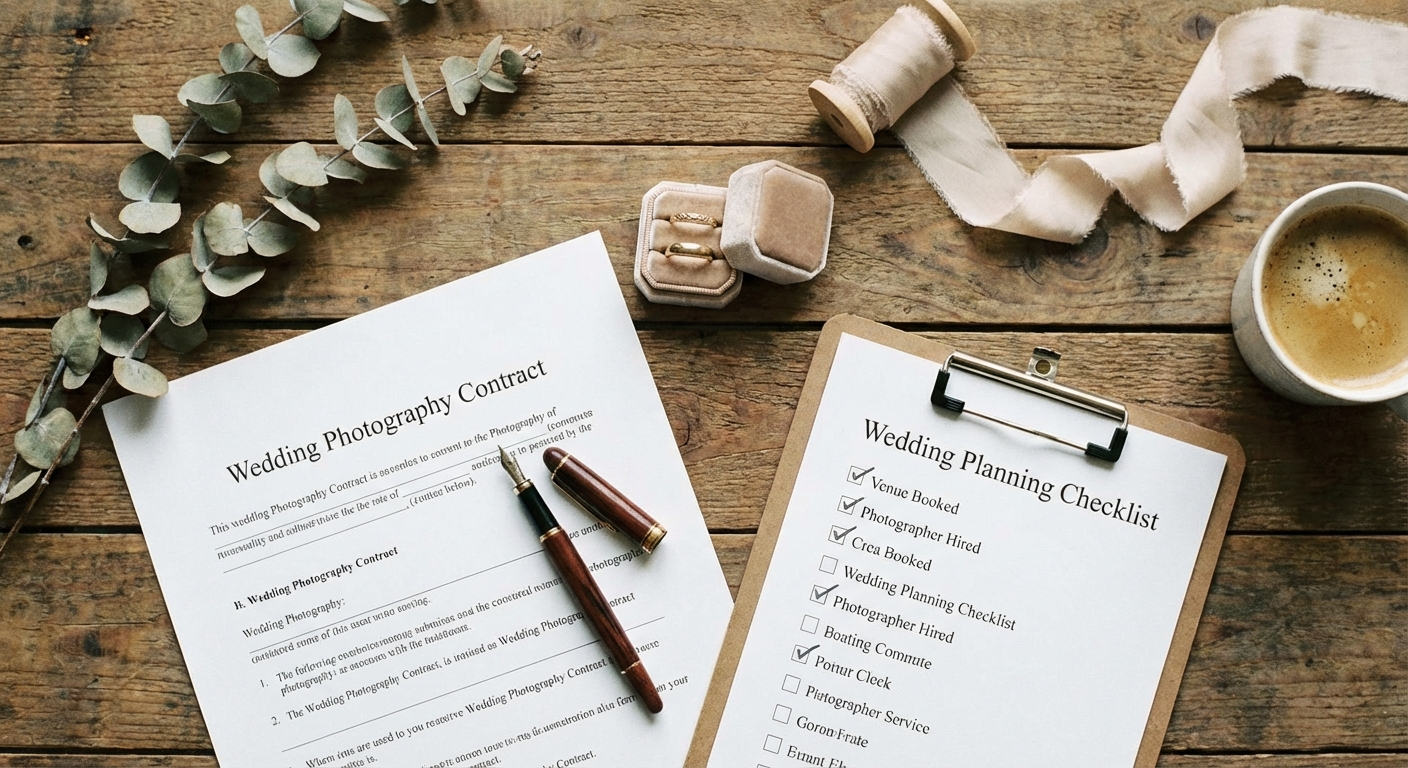
A clear, detailed contract protects both you and your photographer. Never book without one, regardless of how well you know the photographer personally.
Key Contract Elements
Your wedding photography contract should include:
- Date, time, and location of the wedding and any related events (rehearsal dinner, day-after shoot)
- Hours of coverage with clear start and end times
- Names of photographers who will be present (lead and second shooter)
- Deliverables — number of edited images, format (digital gallery, USB, prints), and whether an album is included
- Delivery timeline — specific date or timeframe for receiving final images
- Payment schedule — deposit amount, remaining balance due date, and accepted payment methods
- Cancellation and rescheduling policy — what happens if you need to change your date or cancel entirely
- Image rights and usage — who owns the copyright, whether the photographer can use images for marketing, and whether you can print images anywhere or must use their preferred lab
- Force majeure clause — how unforeseeable events (severe weather, venue closure) are handled
Red Flags in Contracts
Watch out for these warning signs:
- No refund under any circumstances — reasonable cancellation policies should include partial refunds based on timing
- Vague deliverable descriptions — "a selection of the best images" is too ambiguous; you want a minimum number guaranteed
- Excessive additional fees — watch for hidden costs like travel surcharges, overtime rates that are not disclosed upfront, or mandatory print-purchase minimums
- No backup photographer clause — what happens if they cannot show up?
- Unlimited usage rights without your consent — you should have the ability to opt out of your images being used in advertising
Negotiation Tips
Most photographers have some flexibility in their packages. Consider these negotiation strategies:
- Ask about off-peak pricing — Friday or Sunday weddings, winter dates, or weekday events often qualify for discounts
- Bundle services — engagement sessions, bridal portraits, or day-after shoots bundled together often cost less than booking separately
- Adjust coverage hours — if your ceremony and reception are at the same venue, you may need fewer hours than a photographer's standard package
- Ask about payment plans — many photographers offer interest-free payment plans that spread costs over several months leading up to your wedding
Timeline and Shot List Planning
Working with your photographer to build a realistic timeline and comprehensive shot list ensures nothing is missed on your wedding day.
Building Your Wedding Day Timeline
Your photographer is one of the best resources for timeline planning. They know from experience how long things take:
- Getting ready coverage: 1–1.5 hours
- First look (if applicable): 15–20 minutes
- Couple portraits: 30–45 minutes (schedule during golden hour if possible — typically 1 hour before sunset)
- Wedding party photos: 20–30 minutes
- Family formals: 20–30 minutes (plan for 3 minutes per grouping)
- Ceremony: varies by tradition (30 minutes to 1 hour+)
- Cocktail hour candids: 30–60 minutes
- Reception coverage: 3–4 hours (through cake cutting, first dance, toasts, and bouquet toss)
Build in buffer time. Things always run behind schedule at weddings, and your photographer needs flexibility to deliver their best work without rushing.
Creating a Shot List
A shot list ensures your must-have images are captured. Organize it by category:
Pre-ceremony essentials:
- Dress hanging, shoes, jewelry, invitation suite, bouquet
- Getting ready moments with bridesmaids/groomsmen
- Parent moments (buttoning the dress, fixing the tie)
- Individual and group portraits of the wedding party
Ceremony must-haves:
- Venue exterior and interior before guests arrive
- Processional — each member of the wedding party
- Exchange of vows and rings
- First kiss
- Recessional
- Signing of the marriage certificate
Reception priorities:
- Room details before guests enter (table settings, centerpieces, place cards)
- Grand entrance
- First dance
- Parent dances
- Toasts and speeches
- Cake cutting
- Bouquet/garter toss
- Dance floor candids
- Sparkler exit or send-off
Share this list with your photographer at least two weeks before the wedding so they can plan their coverage strategy accordingly.
Engagement Sessions and Pre-Wedding Shoots
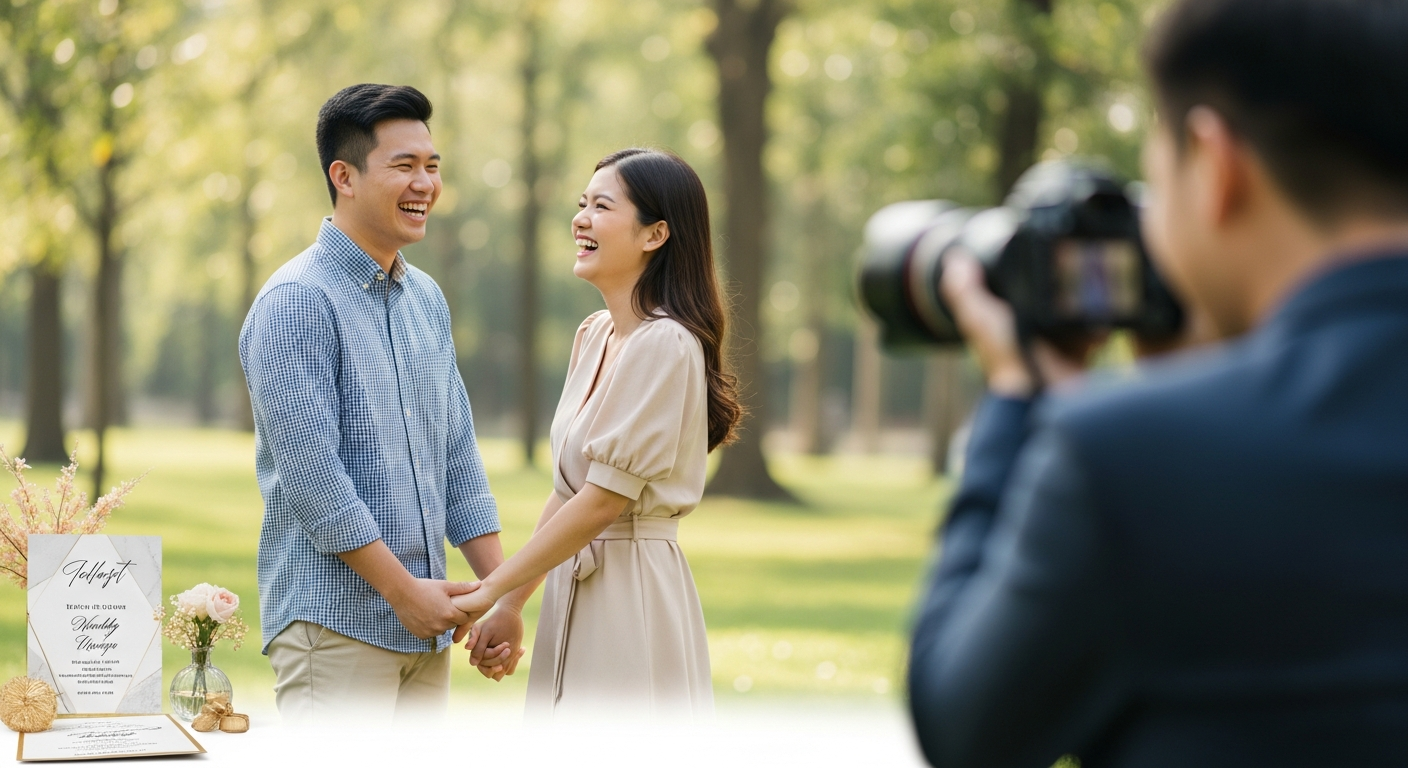
An engagement session is more than just beautiful photos — it is a trial run for your wedding day photography experience.
Benefits of an Engagement Shoot
- Build rapport with your photographer — spending an hour or two together before the wedding builds trust and familiarity, making you more comfortable on the actual day
- Practice posing and being photographed — most couples are not used to professional photo sessions; an engagement shoot takes the pressure off
- Test your photographer's style — see how their work looks when you are the subject, not just other couples
- Get usable photos — engagement images are perfect for save-the-dates, wedding websites, and guest sign-in boards
When to Schedule
Book your engagement session 6–8 months before the wedding. This gives you plenty of time to use the photos for save-the-dates (which should be sent 6–8 months in advance) and ensures the photos reflect your current appearance.
Making the Most of Your Session
- Choose a location that is meaningful to you — where you had your first date, your favorite park, your neighborhood
- Wear outfits you feel confident in and that photograph well (avoid busy patterns and logos)
- Bring props that tell your story — your dog, a favorite bottle of wine, the book you were both reading when you met
- Relax and focus on each other rather than the camera
Wedding Photography Comparison at a Glance
| Photography Style | Best For | Typical Price Range | Album Turnaround |
|---|---|---|---|
| Documentary/Photojournalistic | Candid moments, natural storytelling | $2,500–$5,000 | 6–8 weeks |
| Traditional/Classic | Formal portraits, family groups | $1,800–$3,500 | 4–6 weeks |
| Fine Art | Editorial, artistic couples | $4,000–$8,000+ | 8–12 weeks |
| Lifestyle | Relaxed, authentic feel | $2,000–$4,000 | 5–8 weeks |
| Dark & Moody | Dramatic, cinematic couples | $3,000–$6,000 | 6–10 weeks |
Frequently Asked Questions
How much does a wedding photographer cost in 2026?
The average wedding photographer in the U.S. costs between $2,500 and $5,000 in 2026, though prices range from $1,000 for newer photographers to $10,000+ for highly sought-after professionals. Factors like location, hours of coverage, and deliverables significantly impact pricing.
How far in advance should I book a wedding photographer?
You should book your wedding photographer 9 to 12 months in advance, especially for peak wedding season (May through October). Popular photographers in major cities often book 12 to 18 months ahead. Once you have your venue and date confirmed, photographer booking should be your next priority.
What questions should I ask a wedding photographer before booking?
Key questions include: What is your photography style? How many weddings have you shot? What is included in your packages? How many hours of coverage do you provide? When will we receive our photos? Do you have backup equipment? Will you be the one shooting, or will you send an associate? Can we see a full wedding gallery, not just highlights?
What is the difference between photojournalistic and traditional wedding photography?
Photojournalistic (documentary) wedding photography captures candid, unposed moments as they naturally unfold, telling the story of your day. Traditional (classic) photography focuses on posed, formal portraits and group shots with careful lighting and composition. Many modern photographers offer a blend of both styles.
Should I hire a second photographer for my wedding?
A second photographer is recommended for weddings with 150+ guests, ceremonies and receptions at different venues, or when the couple wants simultaneous getting-ready coverage. A second shooter typically adds $500 to $1,500 to your package and ensures no moment is missed from multiple angles.
Do I need an engagement shoot before the wedding?
While not required, an engagement shoot is highly recommended. It lets you build rapport with your photographer, practice posing in front of the camera, and gives you photos to use for save-the-dates and your wedding website. Many photographer packages include an engagement session at no extra cost.
Sources
-
The Knot. "The Knot 2025 Real Weddings Study." The Knot, 2025. theknot.com/content/average-wedding-cost{:target="_blank" rel="noopener"}
-
Wedding Wire. "WeddingWire Newlywed Report 2025." WeddingWire, 2025. weddingwire.com/newlywed-report{:target="_blank" rel="noopener"}
-
Professional Photographers of America (PPA). "PPA Benchmark Survey 2025: Business Practices of Professional Photographers." PPA, 2025. ppa.com/resources{:target="_blank" rel="noopener"}
-
Brides Magazine. "How Much Does a Wedding Photographer Cost?" Brides, updated 2025. brides.com/wedding-photographer-cost{:target="_blank" rel="noopener"}
-
WPPI (Wedding and Portrait Photographers International). "Industry Trends Report 2025." WPPI, 2025. wppionline.com{:target="_blank" rel="noopener"}
-
Junebug Weddings. "How to Choose Your Wedding Photographer: The Complete Guide." Junebug Weddings, 2025. junebugweddings.com{:target="_blank" rel="noopener"}
About the Author
Sophie Williams is a wedding planning expert and contributing writer at Start Wedding Planning. With over eight years of experience in the wedding industry — including five years as an event coordinator and three years as an editorial consultant — Sophie has helped hundreds of couples navigate the vendor selection process. She specializes in budgeting, vendor negotiations, and helping couples make confident planning decisions. When she is not writing about weddings, Sophie mentors aspiring event planners and speaks at industry conferences about modern wedding trends.
Ready to plan with less stress?
Our Complete Wedding Planning Tracker has 247 tasks, a 12-month countdown, and vendor contact hub, all in one spreadsheet.
Get the Tracker - $27 →