Guide
Wedding Planning Timeline
By Claire Whitfield · Updated 2026-03-18
Planning a wedding in 12 months means tackling roughly 100 individual tasks across venues, vendors, attire, décor, and logistics. This month-by-month wedding planning timeline breaks every task into manageable steps so nothing falls through the cracks—whether you just got engaged last weekend or you are already deep into vendor research with a set date.
Table of Contents
- Why You Need a Wedding Planning Timeline
- 12–10 Months Out: Foundations
- 9–7 Months Out: Vendor Lock-In
- 6–4 Months Out: Detail Work
- 3–1 Months Out: Final Countdown
- Wedding Week Checklist
- Wedding Day Timeline
- Comparison: DIY vs. Wedding Planner vs. Day-Of Coordinator
- Essential Wedding Planning Tools
- Frequently Asked Questions
- Sources
Why You Need a Wedding Planning Timeline
The average American couple spends between 12 and 18 months planning their wedding, according to data from The Knot's 2025 Real Weddings Study. Without a structured timeline, tasks pile up, deposits get missed, and stress snowballs into the final weeks. A month-by-month checklist converts an overwhelming project into a series of small, achievable milestones.
Couples who follow a written planning timeline report significantly lower stress levels during the final 30 days before the wedding compared to those who wing it. The reason is simple: when you know exactly what needs to happen and when, you make decisions proactively instead of reactively.
This guide is built for a 12-month engagement, but you can compress or expand the timeline based on your situation. Getting married in six months? Double up on the early phases. Have 18 months? Spread out the vendor research and enjoy the process.
If you are still in the early stages and wondering how to set a realistic wedding budget before you start booking, start there first—your budget shapes every decision on this checklist.
12–10 Months Out: Foundations
This is the most important phase of your entire wedding planning journey. The decisions you make here set the ceiling for everything that follows.
Month 12: Set the Framework
- Set your total wedding budget. Be honest about who is contributing what. Include a 10–15% contingency buffer for unexpected costs.
- Choose your wedding date—or narrow it to 2–3 options. Saturday evenings in peak season (May–October) book fastest. Friday and Sunday weddings can save 20–40% on venue costs.
- Draft your preliminary guest list. Start with a maximum number and work backward. Every guest costs between $100 and $350 depending on your market and venue style.
- Decide on your wedding party. Ask bridesmaids, groomsmen, and any honor attendants early so they can plan financially.
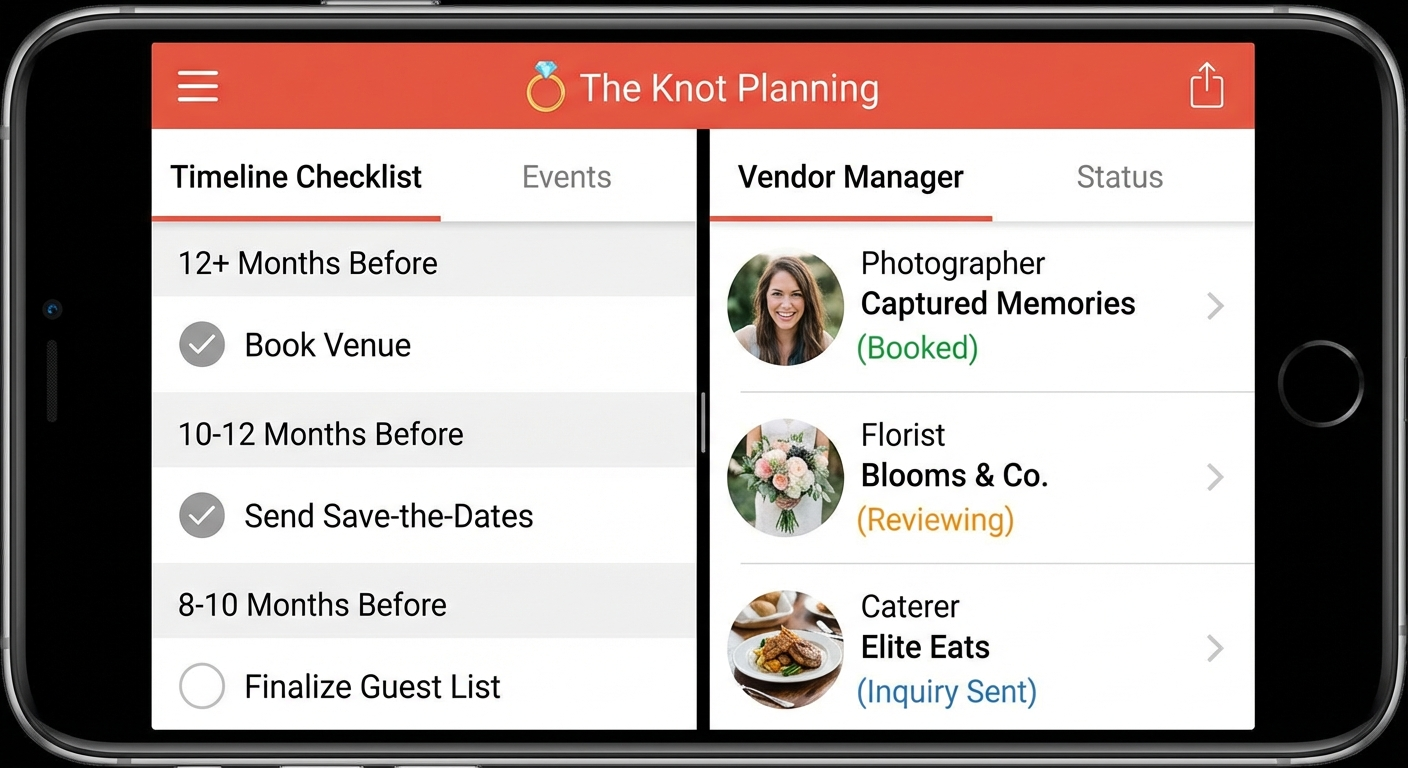
- Research and book your ceremony and reception venue. This is the single most time-sensitive booking. Popular venues in metropolitan areas book 12–18 months in advance. Visit at least three venues before signing.
- Start researching wedding insurance. Policies start around $75 and cover venue cancellations, vendor no-shows, and weather-related issues.
Month 11: Secure the Big Vendors
- Book your photographer. Review full galleries, not just highlight reels. Ask about their second-shooter policy and turnaround time.
- Book your caterer (if not included with the venue). Schedule a tasting before signing.
- Book your officiant. If you want a religious ceremony, confirm any required pre-marital counseling timelines.
- Start researching florists and décor. Gather inspiration images so you can communicate your vision clearly.
- Create a wedding email address for all vendor communications. This keeps your personal inbox clean and creates a searchable archive.
- Set up a wedding website with your date, location, and registry information.
Month 10: Build Your Vendor Team
- Book your DJ or band. If live music matters to you, bands book even earlier than DJs.
- Book your videographer if you want wedding video coverage.
- Research florists and schedule consultations. Bring your Pinterest board and venue photos.
- Begin dress shopping. Bridal gowns take 4–6 months to arrive after ordering, so starting at month 10 gives you a comfortable buffer for alterations.
- Order save-the-dates. Digital save-the-dates are perfectly acceptable and faster to distribute.
VIDEO_EMBED: Recommended video — "12-Month Wedding Planning Timeline Walk-Through" showing a real couple organizing their planning binder, visiting venues, and tasting menus, approximately 8–12 minutes
9–7 Months Out: Vendor Lock-In
With your venue and major vendors secured, this phase focuses on locking in the remaining services and making design decisions.
Month 9
- Book your florist and finalize your floral vision.
- Reserve hotel room blocks for out-of-town guests. Most hotels require blocks 9–12 months in advance and release unsold rooms 30 days before the event.
- Book your transportation—limos, shuttles, vintage cars, or trolleys.
- Register for gifts. Mix price points from $25 to $250+. Include experiences and fund contributions alongside physical items.
- Start planning your honeymoon. If traveling internationally, check passport expiration dates now.
Month 8
- Order your wedding cake or dessert. Book a tasting with 2–3 bakeries.
- Hire a hair and makeup artist. Book a trial for 2–3 months before the wedding.
- Choose bridesmaid dresses. Give your party enough lead time for ordering and alterations.
- Plan the rehearsal dinner—venue, guest list, and menu.
- Start premarital counseling if required by your officiant or desired for personal growth.
Month 7
- Send out formal invitations (if doing a longer RSVP window) or finalize invitation design for printing.
- Purchase wedding bands. Custom bands take 6–8 weeks. Off-the-shelf bands still need sizing.
- Book your photo booth or entertainment extras—lawn games, live painter, cigar bar, etc.
- Finalize your ceremony structure with your officiant—readings, vows, rituals, and music selections.
- Begin writing personal vows if applicable. Give yourself more time than you think you need.
6–4 Months Out: Detail Work
The foundation is laid. Now you layer in the details that transform a good wedding into your wedding.
Month 6
- Order invitations and all printed materials—RSVP cards, menus, programs, signage.
- Schedule your hair and makeup trial.
- Finalize the ceremony music and any special performance arrangements.
- Create your detailed day-of timeline. This becomes the master document every vendor works from.
- Purchase or rent groom and groomsmen attire. Suits take 2–4 weeks for tailoring; tuxedo rentals should be reserved now.
- Start breaking in your wedding shoes. Wear them around the house on carpet to scuff the soles and build comfort.
Month 5
- Mail invitations. The standard is 6–8 weeks before the wedding, but destination weddings should mail at 10–12 weeks.
- Finalize your floral order with specific arrangements, counts, and delivery logistics.
- Order wedding favors if you are including them. Edible favors (cookies, honey jars, hot sauce) have the highest take-home rates.
- Plan the seating chart framework. You won't finalize until RSVPs are in, but group guests into clusters now.
- Confirm all vendor contracts and payment schedules. Create a master spreadsheet of who is owed what and when.
Month 4
- Apply for your marriage license. Check your county's requirements—some require blood tests, waiting periods, or in-person applications. Most licenses are valid for 30–90 days.
- Schedule your final dress fitting for 3–4 weeks before the wedding.
- Arrange lodging for the wedding night. Book the bridal suite or a special hotel room.
- Finalize your DJ playlist—must-plays, do-not-plays, and special dance songs.
- Order any rental items—linens, glassware, arches, lighting, furniture.
- Confirm honeymoon bookings and purchase travel insurance if needed.
3–1 Months Out: Final Countdown
This is where the pace accelerates. Everything you have planned starts becoming real.
Month 3
- RSVP deadline passes. Follow up with non-responders within 48 hours. Be direct and kind.
- Finalize your guest count and submit to your caterer, venue, and rental company.
- Finalize your seating chart. Use a digital tool or old-school Post-it notes on a poster board—both work.
- Purchase gifts for your wedding party, parents, and each other.
- Have your hair and makeup trial. Photograph the results in similar lighting to your venue.
- Confirm all vendor arrival times and load-in logistics.
- Break in your wedding shoes (final push).
Month 2
- Print final versions of menus, programs, place cards, and signage.
- Confirm transportation details—pickup times, addresses, vehicle types.
- Prepare a wedding-day emergency kit. Include: sewing kit, stain remover, pain relievers, double-sided tape, breath mints, phone charger, granola bars, blister pads, and a small steamer.
- Write thank-you notes for any pre-wedding gifts as they arrive. Do not let these pile up.
- Finalize the rehearsal dinner details—timing, toasts, and logistics.
If you are managing multiple vendor relationships, check out our guide on how to communicate effectively with wedding vendors so nothing gets lost in translation during these final weeks.
Month 1
- Confirm every single vendor with a phone call or email. Restate date, time, address, and point-of-contact.
- Final dress fitting. Bring your shoes, undergarments, and accessories.
- Prepare vendor payments—final balances, tips, and gratuity envelopes.
- Submit your marriage license paperwork if required before the ceremony.
- Delegate day-of responsibilities to your wedding party and coordinator. Create a one-page contact sheet with every vendor's phone number.
- Arrange for someone to handle gift transport from the venue to your home.
- Practice your first dance at least twice.
Wedding Week Checklist
The final stretch. Your only job this week is to stay calm, stay hydrated, and let the systems you built carry the weight.
Monday–Wednesday:
- Confirm all vendor delivery and arrival times one final time
- Pack for the honeymoon
- Prepare a garment bag with ceremony outfit, shoes, and accessories
- Hand off the day-of timeline to your coordinator, best man/maid of honor, or designated point person
- Write your partner a letter to read on the wedding morning
Thursday–Friday:
- Attend the rehearsal and rehearsal dinner
- Hand out gratuity envelopes to the best man or maid of honor for distribution
- Get a full eight hours of sleep (this is non-negotiable)
- Eat a real breakfast on wedding day morning—you will not eat again for hours
Wedding Morning:
- Follow the timeline. Trust your vendors. Enjoy getting ready.
- Put your phone away after the "getting ready" photos
- Eat. Drink water. Breathe.
Wedding Day Timeline
Here is a sample timeline for a 5:00 PM ceremony with a 6:00 PM reception. Adjust based on your specific schedule.
| Time | Activity |
|---|---|
| 10:00 AM | Hair and makeup begins for bridal party |
| 12:00 PM | Photographer arrives for "getting ready" shots |
| 1:00 PM | Light lunch for bridal party (do not skip this) |
| 2:30 PM | Bride gets into dress; detail photos |
| 3:00 PM | First look (if doing one) or groom prep photos |
| 3:30 PM | Wedding party photos |
| 4:15 PM | Family formal photos |
| 4:45 PM | Guests arrive; bridal party hidden |
| 5:00 PM | Ceremony begins |
| 5:30 PM | Ceremony ends; cocktail hour begins |
| 5:45 PM | Couple and family photos (golden hour if outdoor) |
| 6:00 PM | Reception begins; grand entrance |
| 6:15 PM | First dance |
| 6:30 PM | Welcome toast and dinner service |
| 7:30 PM | Toasts and speeches |
| 8:00 PM | Cake cutting |
| 8:15 PM | Parent dances |
| 8:30 PM | Open dancing |
| 10:00 PM | Bouquet and garter toss (optional) |
| 10:30 PM | Last dance |
| 10:45 PM | Grand exit / sparkler send-off |
Comparison: DIY vs. Wedding Planner vs. Day-Of Coordinator
One of the earliest decisions you will face is how much professional help to hire. Here is an honest breakdown.
| Factor | DIY Planning | Day-Of Coordinator | Full-Service Planner |
|---|---|---|---|
| Average Cost | $0 (your time) | $800–$2,500 | $3,000–$10,000+ |
| Time Commitment | 200–400+ hours | 150–250 hours (you still plan) | 40–80 hours (decisions only) |
| Vendor Management | All on you | You book; they manage day-of | They source, negotiate, and manage |
| Budget Savings | Highest potential savings | Moderate—they prevent costly mistakes | Often offset by vendor discounts they secure |
| Stress Level | High (especially final month) | Moderate | Low |
| Best For | Budget-conscious couples with flexible schedules | Organized couples who enjoy planning but want a safety net | Busy professionals, large weddings, destination events |
| Biggest Risk | Burnout, missed details, vendor miscommunication | Limited help during planning phase | Cost; less personal control |
| Recommended If Budget Allows | Under $10K weddings | $15K–$40K weddings | $40K+ weddings |
The sweet spot for most couples is a day-of coordinator. You retain creative control and save on planning fees while getting the one thing money truly buys on a wedding day: someone else handling logistics so you can be fully present.
Essential Wedding Planning Tools
These tools will keep you organized from engagement to honeymoon. Each one has been tested by real couples and wedding planners.
Wedding Planner Binder
A physical planning binder remains one of the most practical tools for couples who prefer tactile organization. The Erin Condren Wedding Planner includes 12-month timeline pages, budget trackers, vendor contact sheets, and seating chart templates in a premium spiral-bound format. It is especially useful for meetings with vendors when you want to flip to contracts or notes without unlocking a phone.
Digital Planning App
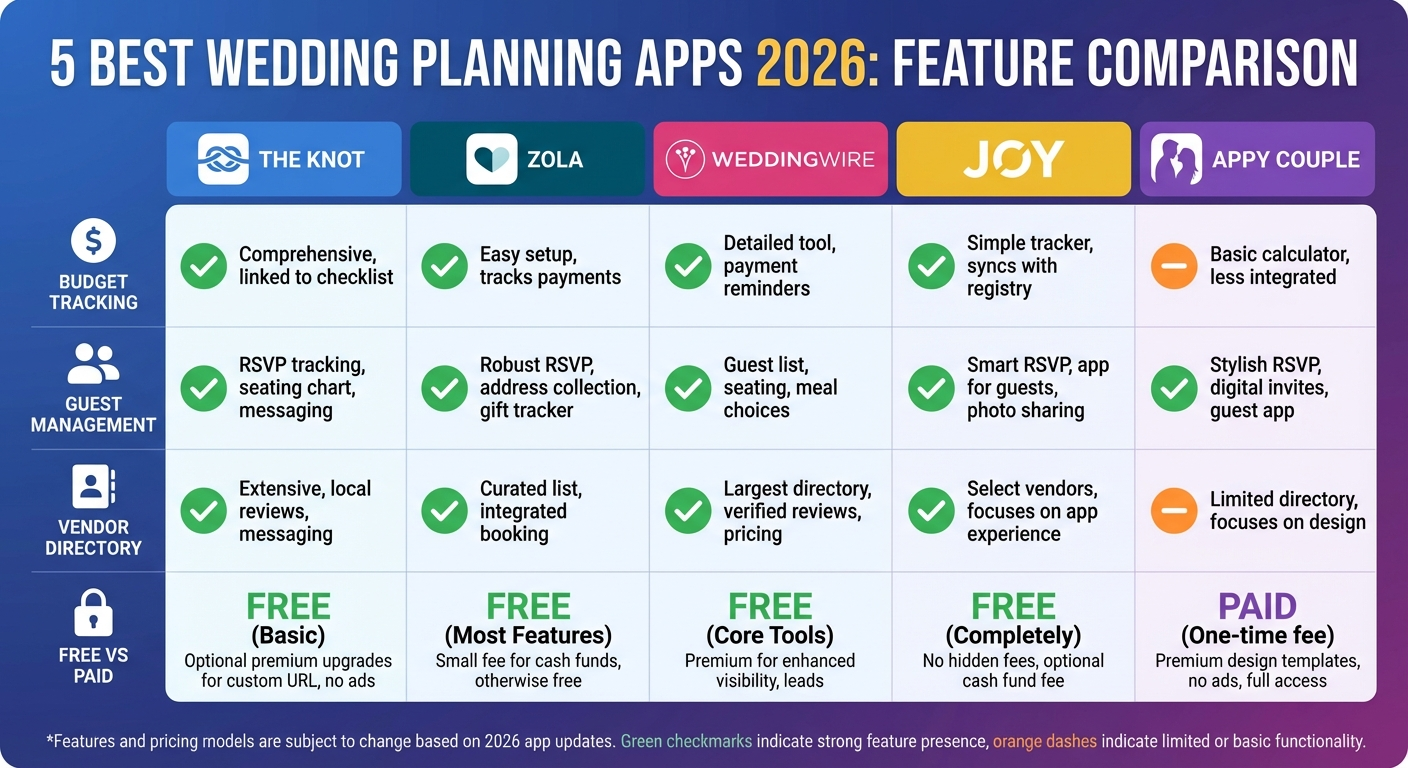
Pair your physical binder with a digital app. Zola's free wedding planning app syncs your guest list, registry, and budget tracker across devices. The real advantage is shared access—both partners and family members helping with planning can see updates in real time.
Day-Of Emergency Kit
Do not leave this to chance. The Minimergency Kit for Brides packs 72 essential items into a bag smaller than a clutch: sewing kit, stain remover, pain relievers, hair pins, breath spray, double-sided tape, and more. Every bridal suite should have one of these. Your maid of honor will thank you.
Steamer for Wedding Day
Wrinkled linens and a creased veil can derail photos. A portable garment steamer like the Conair Turbo Extreme Steam Handheld Steamer heats up in under 40 seconds and handles everything from the bride's dress train to the groom's pocket square. It is lighter and faster than an iron and won't damage delicate fabrics.
Frequently Asked Questions
How far in advance should I start planning my wedding?
Most wedding professionals recommend beginning the planning process 12 to 14 months before your desired date. This gives you enough time to secure top-choice venues and vendors without feeling rushed. However, weddings have been beautifully executed in as few as three months when couples are decisive, flexible on dates, and willing to book available vendors rather than holding out for specific names.
What is the most important thing to book first?
Your venue. Every other vendor decision depends on your location, date, and capacity. Photographers, caterers, florists, and DJs all need to know your venue before they can give accurate quotes or confirm logistics. Book your venue before anything else, ideally 10–12 months out.
How much does the average wedding cost in 2026?
According to The Knot's 2025 Real Weddings Study, the average wedding cost in the United States was approximately $35,000, not including the honeymoon. However, this number varies enormously by region. Weddings in New York City and San Francisco average over $55,000, while weddings in the Midwest and South average $25,000–$30,000. Your guest count is the single biggest cost driver—more guests means more food, more chairs, more invitations, and a larger venue.
Can I plan a wedding in 6 months?
Absolutely. A six-month timeline requires doubling up tasks from the 12-month checklist and making faster decisions. The key trade-offs: you will have fewer venue and vendor options, you may pay rush fees on invitations and attire, and you will need to be flexible on your exact date. Hiring a day-of coordinator becomes even more valuable on a compressed timeline because they can help you prioritize what truly matters.
What wedding planning tasks can I skip to save money?
Favors are the most commonly skipped item—fewer than half of guests take them home. Escort cards can be replaced with a simple seating chart poster. A champagne toast is not required and eliminates 100+ glasses of poured-but-not-drunk sparkling wine. Printed programs are increasingly replaced by a QR code displayed at the ceremony entrance. Finally, a dessert table with pies, cookies, and brownies often costs 30–50% less than a traditional tiered cake and gives guests more variety.
Should I get wedding insurance?
Yes. Wedding insurance policies start at approximately $75 for basic liability and $200–$500 for comprehensive coverage that includes vendor no-shows, extreme weather, and venue cancellations. Given that the average couple spends $35,000 on their wedding, a $200 policy is a negligible cost for meaningful protection. Check whether your venue requires liability insurance—many do, and a policy is often cheaper than the venue's own insurance surcharge.
Sources
- The Knot. "The Knot 2025 Real Weddings Study." TheKnot.com, 2025.
- Brides Magazine. "How to Create a Wedding Timeline That Actually Works." Brides.com, 2025.
- WeddingWire. "2025 Newlywed Report: Planning Insights and Spending Data." WeddingWire.com, 2025.
- American Association of Certified Wedding Planners. "Vendor Booking Lead Time Recommendations." AACWP.org, 2025.
- National Association of Insurance Commissioners. "Event Insurance Guide: What Couples Need to Know." NAIC.org, 2024.
{
  "@context": "https://schema.org",
  "@type": "Article",
  "headline": "Wedding Planning Timeline: The Complete 12-Month Checklist (2026 Guide)",
  "description": "A month-by-month wedding planning timeline and checklist covering every task from 12 months out through your wedding day.",
  "image": "/images/wedding-planning-timeline-checklist-hero.jpg",
  "author": {
    "@type": "Person",
    "name": "Claire Whitfield",
    "url": "https://startweddingplanning.com/about"
  },
  "publisher": {
    "@type": "Organization",
    "name": "Start Wedding Planning",
    "url": "https://startweddingplanning.com",
    "logo": {
      "@type": "ImageObject",
      "url": "https://startweddingplanning.com/images/logo.png"
    }
  },
  "datePublished": "2026-03-18",
  "dateModified": "2026-03-18",
  "mainEntityOfPage": {
    "@type": "WebPage",
    "@id": "https://startweddingplanning.com/wedding-planning-timeline-checklist"
  }
}
{
  "@context": "https://schema.org",
  "@type": "FAQPage",
  "mainEntity": [
    {
      "@type": "Question",
      "name": "How far in advance should I start planning my wedding?",
      "acceptedAnswer": {
        "@type": "Answer",
        "text": "Most wedding professionals recommend beginning the planning process 12 to 14 months before your desired date. This gives you enough time to secure top-choice venues and vendors without feeling rushed. However, weddings have been beautifully executed in as few as three months when couples are decisive, flexible on dates, and willing to book available vendors."
      }
    },
    {
      "@type": "Question",
      "name": "What is the most important thing to book first?",
      "acceptedAnswer": {
        "@type": "Answer",
        "text": "Your venue. Every other vendor decision depends on your location, date, and capacity. Photographers, caterers, florists, and DJs all need to know your venue before they can give accurate quotes or confirm logistics. Book your venue before anything else, ideally 10–12 months out."
      }
    },
    {
      "@type": "Question",
      "name": "How much does the average wedding cost in 2026?",
      "acceptedAnswer": {
        "@type": "Answer",
        "text": "According to The Knot's 2025 Real Weddings Study, the average wedding cost in the United States was approximately $35,000, not including the honeymoon. This varies enormously by region, with New York City and San Francisco averaging over $55,000, while the Midwest and South average $25,000–$30,000."
      }
    },
    {
      "@type": "Question",
      "name": "Can I plan a wedding in 6 months?",
      "acceptedAnswer": {
        "@type": "Answer",
        "text": "Absolutely. A six-month timeline requires doubling up tasks from the 12-month checklist and making faster decisions. The key trade-offs include fewer venue and vendor options, possible rush fees on invitations and attire, and needing flexibility on your exact date. Hiring a day-of coordinator becomes even more valuable on a compressed timeline."
      }
    },
    {
      "@type": "Question",
      "name": "What wedding planning tasks can I skip to save money?",
      "acceptedAnswer": {
        "@type": "Answer",
        "text": "Favors are the most commonly skipped item. Escort cards can be replaced with a simple seating chart poster. A champagne toast is not required. Printed programs are increasingly replaced by QR codes. A dessert table with pies, cookies, and brownies often costs 30–50% less than a traditional tiered cake."
      }
    },
    {
      "@type": "Question",
      "name": "Should I get wedding insurance?",
      "acceptedAnswer": {
        "@type": "Answer",
        "text": "Yes. Wedding insurance policies start at approximately $75 for basic liability and $200–$500 for comprehensive coverage including vendor no-shows, extreme weather, and venue cancellations. Given that the average couple spends $35,000, a $200 policy is a negligible cost for meaningful protection."
      }
    }
  ]
}
Visual Guide Gallery

Ready to plan with less stress?
Our Complete Wedding Planning Tracker has 247 tasks, a 12-month countdown, and vendor contact hub, all in one spreadsheet.
Get the Tracker - $27 →